The Night Your Power Bill Changed Everything
Sarah opened her electricity statement on a Tuesday evening. The number staring back at her seemed impossible for a three-bedroom home in Brisbane.
That moment sparked a question thousands of Australian households face: when did staying comfortable in your own home become a luxury decision?
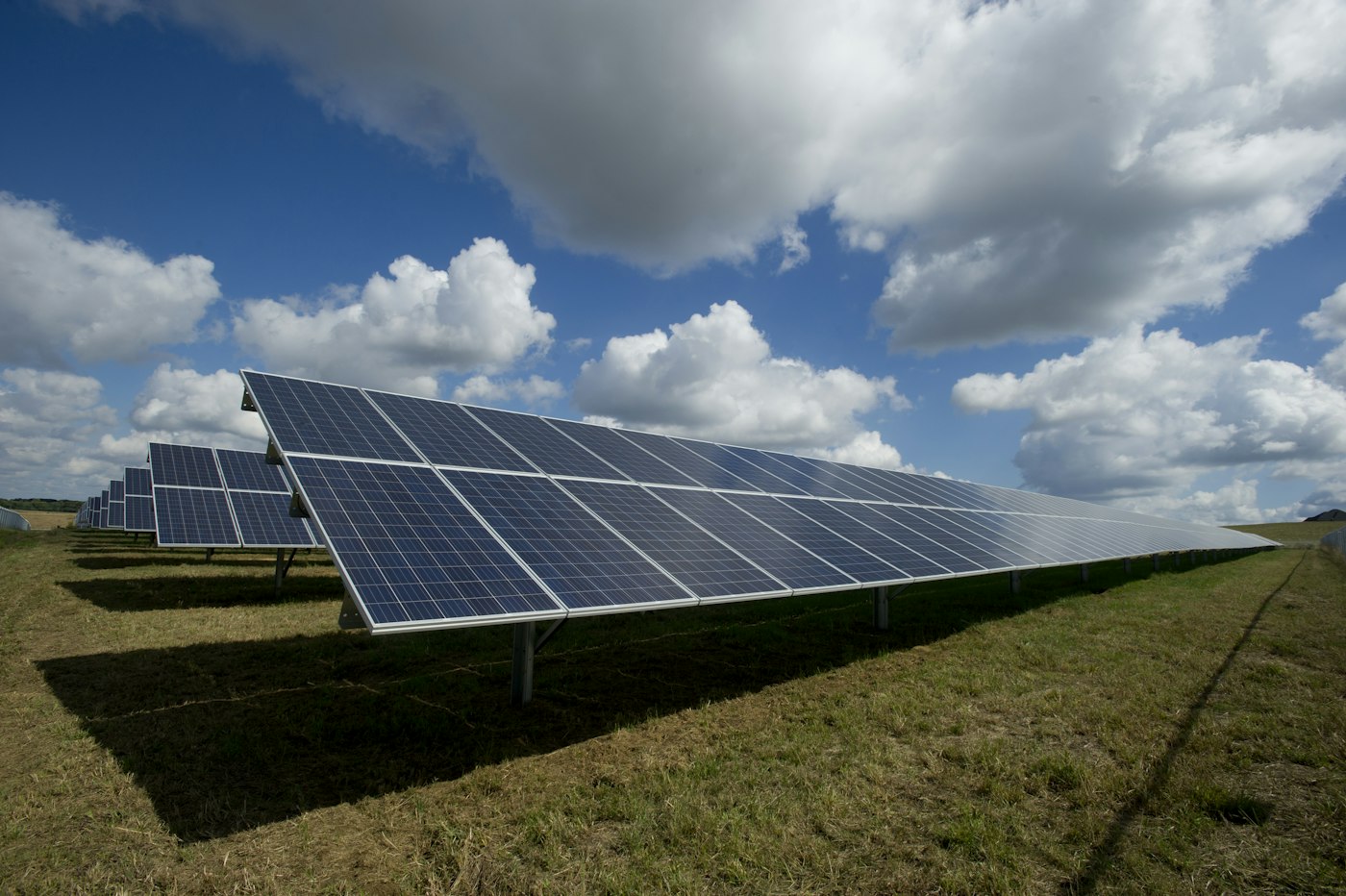
Energy prices across Australia have climbed steadily. What once seemed manageable now forces families to choose between cooling their homes and managing monthly expenses. The solution most people consider first is solar panels.
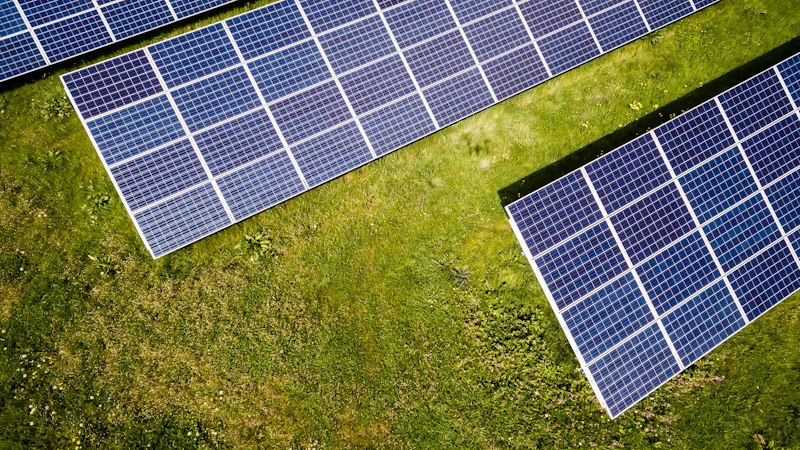
Solar installations have become common across suburban Australia, but panels alone only solve half the equation.
Here's what Sarah discovered. Solar panels generate power brilliantly during daylight hours. But most households consume peak electricity after sunset, when everyone arrives home, appliances run, and cooling systems work hardest. Without storage, that free solar energy vanishes into the grid while you purchase expensive power back each evening.
The Missing Piece Nobody Mentions
Battery storage systems capture excess solar generation during the day and release it precisely when your household needs it most. This shift transforms solar panels from a partial solution into complete energy independence.
"We had panels for two years before adding batteries. The difference was like upgrading from a bicycle to a car. Suddenly we controlled our power, instead of rationing it."
— Marcus T., Sunshine Coast
Modern battery systems do more than store energy. They monitor consumption patterns, optimize charging cycles, and provide backup power during outages. Some households report eliminating 85% of their grid dependence within the first billing cycle.

How Battery Storage Actually Works
Think of your battery system as a smart energy manager. During peak sunlight hours, excess solar production flows into storage rather than feeding back to the grid. As evening approaches, your home draws from this stored energy instead of purchasing power at premium rates.
Advanced systems integrate with weather forecasting. If storms are predicted, batteries prioritize full charging to ensure backup power availability. During optimal solar conditions, surplus energy can feed back to the grid for credit, though most households find self-consumption delivers better financial outcomes.
Australian-Made Reliability
Our battery systems are engineered specifically for Australian climate conditions, from tropical humidity in Queensland to dry heat in Western Australia. Each unit undergoes extensive testing to ensure performance across temperature extremes and weather events.
"The first major storm after installation, our street went dark for six hours. We didn't even notice until neighbors asked to charge their phones."
— Jennifer K., Perth
Understanding the Investment
Battery storage represents a substantial decision, but the mathematics shift when viewed across a system's 15-year operational life. Consider a household currently spending $2,400 annually on electricity. Reducing that by 75% creates $1,800 in yearly savings, or $27,000 over the battery's lifespan.
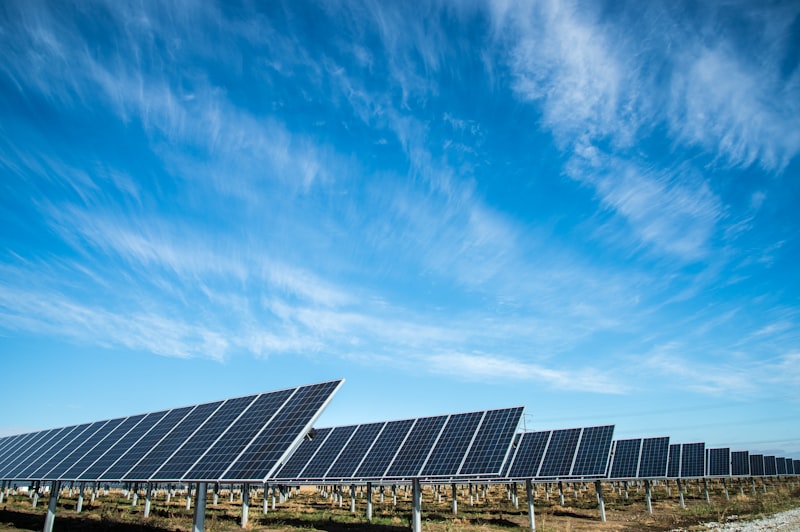
Commercial installations demonstrate the scalability and reliability of solar battery technology.
Installation complexity varies by property. Most residential systems integrate within two days, though electrical upgrades or panel repositioning may extend timelines. Our team conducts thorough site assessments to identify requirements before commitment.
Complete Solar Battery Solutions
We offer tailored packages designed for different household needs and consumption patterns:
Essential Home Storage
Perfect for smaller households or apartments with moderate energy use. Stores 8kWh of power, enough to cover evening consumption and provide emergency backup.
- 8kWh lithium battery system
- Smart energy monitoring
- 5-year warranty coverage
- Professional installation included
$6,847 AUD
Family Power Hub
Our most requested system for typical three to four bedroom homes. Provides substantial storage with room for future expansion as needs grow.
- 13.5kWh expandable battery
- Advanced load management
- 10-year warranty coverage
- Weather prediction integration
- Mobile app control
$11,293 AUD
Complete Independence Package
Maximum capacity for larger properties or high-consumption households. Approaches full grid independence with backup power for multiple days.
- 20kWh dual battery system
- Priority backup circuits
- 15-year warranty coverage
- Remote monitoring and support
- Quarterly performance optimization
$17,685 AUD
Solar Panel Integration
For properties without existing solar installation. Combines premium panels with battery storage for complete energy transformation.
- 6.6kW solar panel array
- 10kWh battery storage
- Integrated inverter system
- 12-year warranty coverage
- Production guarantees
$14,532 AUD
Commercial Energy Storage
Designed for small business operations with daytime and evening power requirements. Reduces demand charges and provides business continuity.
- 30kWh commercial-grade system
- Three-phase compatibility
- Demand charge optimization
- 10-year commercial warranty
- Priority service agreements
$24,176 AUD
Pricing reflects complete installation including electrical work, permits, and system commissioning. Government rebates and incentives may further reduce investment, though availability varies by state and changes periodically.
What Happens After Installation
The first few weeks involve learning your system's rhythm. Most households discover their batteries charge fully by early afternoon, then sustain the home through evening and overnight. Mobile apps provide real-time visibility into generation, storage, and consumption.
Seasonal variations affect performance. Summer typically produces surplus energy, while winter may require occasional grid supplementation during extended cloudy periods. Annual production usually exceeds consumption by comfortable margins.
"Three months in, I stopped checking the app daily because everything just worked. Last quarter's bill was $43. Used to be over $400."
— David L., Melbourne
Making the Decision
Sarah eventually installed a Family Power Hub system. Her first full quarterly bill arrived eight weeks ago. The reduction exceeded her projections.
But the unexpected benefit wasn't financial. She described it as psychological freedom from wondering whether running the air conditioner was worth the cost, or postponing laundry to off-peak hours.
Discover Your Energy Independence Path
Every property has unique requirements based on roof orientation, household consumption, and future plans. We provide detailed assessments with no obligation to proceed.
Important Information
Solar battery systems are designed to reduce reliance on grid electricity and may help lower energy costs. Actual savings vary based on individual consumption patterns, local electricity rates, weather conditions, and system configuration. Performance data referenced represents typical installations and should not be interpreted as guaranteed outcomes. Battery systems are not intended to diagnose, treat, or resolve electrical infrastructure issues. Results may vary between properties. This information is not a substitute for professional electrical assessment. Consult with a licensed electrician and review your specific property requirements before installation.
Scientific References
Energy storage technology and performance data referenced throughout this content is supported by peer-reviewed research: